Crypto Down: Promising Opportunity Amidst Price Decline

Crypto Coins Going Down Market Trends And Strategies

Crypto coins going down is a trend that many investors are faced with as fluctuations in the market continue to create uncertainty. In recent years, the volatility of cryptocurrency has caught the attention of both seasoned traders and newcomers alike, sparking conversations about the causes and effects of these downturns. This discussion aims to unravel the complexities behind falling values in the crypto landscape, providing insights into the factors influencing these shifts and how investors can navigate them effectively.

From historical patterns to emotional responses, the behavior of crypto assets can often seem unpredictable. Yet, by understanding the contributing factors such as market trends, regulatory changes, and macroeconomic conditions, investors can gain a clearer perspective on the market dynamics that lead to price declines in crypto coins.

Understanding Market Trends

The cryptocurrency market is known for its volatility, and understanding its historical patterns during downturns can provide valuable insights. Over the years, various cryptocurrencies have experienced significant price drops, often influenced by a combination of market sentiment, regulatory actions, and macroeconomic factors. This section explores these dynamics and their impact on investor behavior.

Historical Patterns of Crypto Coins

Historically, the crypto market has seen downturns characterized by rapid price declines. Notable examples include the 2018 bear market, where Bitcoin dropped from nearly $20,000 to around $3,

000. Such downturns typically exhibit several patterns

  • Rapid Price Corrections: The market often overreacts to negative news, leading to sharp declines that may not reflect the underlying fundamentals.
  • Long Recovery Periods: After significant drops, it can take months or even years for prices to recover to previous highs.
  • Panic Selling: Investors often panic during market downturns, leading to further declines as they rush to sell their assets.

Factors Leading to Price Declines

Crypto Down: Promising Opportunity Amidst Price Decline

Several factors contribute to declines in crypto asset prices. These include:

  • Regulatory Changes: Announcements of stricter regulations often lead to uncertainty, driving prices down as investors fear potential restrictions.
  • Market Speculation: Speculative trading can exacerbate price declines when traders react to short-term news rather than long-term value.
  • Technological Failures: Issues such as hacks or flaws in project development can undermine trust in a cryptocurrency, resulting in rapid sell-offs.

Psychological Impact on Investors

The psychology of investors plays a crucial role during market downturns. Fear and uncertainty can lead to irrational decision-making, causing individuals to sell assets at a loss. This behavior reinforces negative trends, creating a cycle that further depresses prices.

Analyzing Contributing Factors

Understanding the factors that contribute to the decline in cryptocurrency values is essential for navigating the market. This section will delve into the significant influences such as regulatory changes and macroeconomic conditions.

Influence of Regulatory Changes

Regulatory announcements can have immediate and profound effects on the value of crypto coins.

  • Government Crackdowns: Countries like China have imposed bans on crypto transactions, leading to sharp declines in prices.
  • Taxation and Compliance: New tax regulations can deter investment and reduce market liquidity.

Macroeconomic Conditions

Macroeconomic factors such as inflation rates, interest rates, and global economic stability also impact cryptocurrency prices.

  • Inflation Fears: High inflation can lead investors to seek alternative assets, including cryptocurrencies, but fear of mismanagement may cause them to sell during downturns.
  • Global Economic Events: Events such as recessions or geopolitical tensions can cause investors to flee to safer assets, pushing crypto prices down.

Notable Events Causing Significant Drops

Various events have historically caused notable drops in crypto values. Examples include:

Event Date Impact on Market
Mt. Gox Hack 2014 Bitcoin dropped by over 50% in response to the hack of the exchange.
China's ICO Ban 2017 Market reacted negatively, with many cryptocurrencies losing up to 30% of their value.

Investment Strategies in Declining Markets

Navigating a declining market requires strategic thinking and planning. This section Artikels effective investment strategies to consider during downturns.

Effective Investment Strategies

Investing during downturns can be challenging, but several strategies can help:

  • Dollar-Cost Averaging: Investing a fixed amount regularly, regardless of price, can mitigate the effects of volatility.
  • Diversification: Spreading investments across various assets can reduce risk, especially during downturns.
  • HODLing: Holding onto investments for the long term can yield benefits when markets recover.

Comparison of Investment Tactics

When comparing traditional investment strategies with those specific to crypto, several differences emerge:

Traditional Investments Crypto Investments
Focus on fundamentals and company performance. Emphasis on technology, community sentiment, and market trends.
Long-term growth strategies. Frequent trading based on market volatility.

Using Technical Analysis

Technical analysis can be particularly useful in identifying potential buying opportunities during declines.

  • Trend Lines: Analyzing trend lines can help investors spot reversal points.
  • Volume Analysis: Changes in trading volume can indicate potential price movement.

Future Predictions

The current declines in the cryptocurrency market may have long-term effects that are crucial for investors to consider. This section explores potential future trends and impacts.

Long-Term Market Impacts

The long-term impacts of current declines could reshape the cryptocurrency landscape.

  • Market Maturity: Increased regulation might lead to a more stable market, attracting institutional investment.
  • Focus on Utility: Cryptocurrencies that provide real-world utility may outperform those based solely on speculation.

Emerging Technologies

Innovations such as decentralized finance (DeFi) and non-fungible tokens (NFTs) may influence future price trends.

  • DeFi Growth: As DeFi platforms gain traction, they could drive demand for underlying cryptocurrencies.
  • Integration of Blockchain: The adoption of blockchain technology across industries may enhance the value of cryptocurrencies.

Market Recovery Patterns

Historical data can offer insights into market recovery patterns following downturns.

Typically, markets tend to recover by retracing previous highs after a series of positive developments or technological advancements.

Case Studies of Crypto Downturns

Exploring specific instances of significant downturns can provide valuable lessons for investors.

Analyses of Significant Drops

In-depth analyses of cryptocurrencies that have faced substantial price declines reveal various factors at play.

  • Ethereum (ETH): Experienced severe drops in 2018, followed by a slow but steady recovery, highlighting the importance of fundamental developments.
  • Ripple (XRP): Faced a downturn due to regulatory scrutiny, yet its technology continues to attract interest.

Recovery Journeys of Selected Cryptocurrencies

Many cryptocurrencies have demonstrated resilience after downturns.

Cryptocurrency Downturn Period Recovery Insights
Bitcoin 2018 Recovery driven by increased institutional interest and adoption.
Litecoin 2018 Regained value through technological upgrades and partnerships.

Lessons Learned from Previous Downturns

Analyzing past downturns reveals crucial lessons for navigating the current market.

  • Importance of Research: Investors who conducted thorough research before investing fared better during downturns.
  • Volatility Management: Understanding market volatility can help investors make informed decisions to minimize losses.

Community Perspectives

Why Cryptocurrency Is Going Down: Main Reasons – Blog.Switchere.com

The community plays a vital role in shaping perceptions of the cryptocurrency market, especially during downturns.

Role of Social Media

Social media platforms significantly influence investor sentiment during market declines.

  • Information Dissemination: Quick sharing of news can lead to rapid reactions, often exacerbating market movements.
  • Community Support: Forums and social media groups can offer support and advice, helping investors navigate turbulent times.

Community Sentiment and Pricing Effects

Community sentiment can directly affect cryptocurrency pricing.

  • Twitter Trends: Tweets from influential figures can lead to immediate price changes.
  • Sentiment Analysis: Tools that analyze community sentiment can provide insights into potential market movements.

Active Crypto Communities

Various forums and online communities actively discuss crypto downturns.

  • Reddit: Subreddits like r/CryptoCurrency provide a platform for discussion and information sharing.
  • Telegram Groups: Many crypto projects maintain Telegram groups for real-time updates and community engagement.

Closing Summary

In conclusion, while crypto coins going down may evoke fear and uncertainty, it also presents opportunities for those willing to adapt their strategies. By learning from past downturns and staying informed about market trends, investors can position themselves for potential recoveries. The cryptocurrency market is ever-evolving, and understanding its cycles is key to unlocking future success in this digital age.

Clarifying Questions

What causes crypto coins to decline in value?

Factors such as regulatory changes, macroeconomic conditions, and market sentiment can significantly impact the value of crypto coins.

How can I invest wisely during a downturn?

Utilizing strategies like dollar-cost averaging and conducting thorough market analysis can help mitigate risks during downturns.

Is it wise to panic sell during a market drop?

Panic selling can often lead to losses; it's generally better to assess the situation and make informed decisions rather than reacting impulsively.

What role does social media play in crypto market trends?

Social media can influence investor sentiment and perceptions, often driving market movements based on public discourse and trends.

How long do downturns typically last in cryptocurrency?

The duration of downturns can vary widely, influenced by numerous factors, but historical data shows that recovery is often possible over time.


Crypto Coins Current Price Insights And Trends

Crypto coins current price sets the stage for this enthralling narrative, offering readers a glimpse into a story that is rich in detail and brimming with originality from the outset. As the digital currency landscape evolves, understanding the current prices of various cryptocurrencies is essential for both seasoned investors and newcomers alike. This guide explores the world of crypto coins, delving into their unique features, tracking methods, investment strategies, and the factors that influence their pricing.

Understanding Crypto Coins

Cryptocurrency coins, commonly referred to as crypto coins, are digital assets designed to work as a medium of exchange. They rely on blockchain technology, which ensures security and transparency in transactions. This innovative financial instrument has become a crucial component of the broader cryptocurrency market, enabling users to make decentralized transactions without the need for intermediaries like banks.A variety of popular crypto coins exist, each possessing unique features that cater to different aspects of the market.

Some notable examples include:

  • Bitcoin (BTC): The first and most recognized cryptocurrency, known for its limited supply and use as a digital gold.
  • Ethereum (ETH): A platform enabling decentralized applications and smart contracts, often referred to as the backbone of DeFi (Decentralized Finance).
  • Ripple (XRP): Primarily used for facilitating cross-border payments with a focus on speed and low transaction costs.
  • Litecoin (LTC): Created as a "lighter" version of Bitcoin, offering faster transaction times and lower fees.

Crypto coins can be categorized into various types based on their functions, including:

  • Utility Coins: Tokens used primarily to access a service or product, like Ethereum.
  • Security Tokens: Digital assets that represent ownership in real-world assets, often regulated and compliant.
  • Stablecoins: Cryptocurrencies pegged to stable assets like fiat currencies, aimed at minimizing volatility.

Current Price Trends

Tracking the current prices of various crypto coins is essential for investors. Numerous platforms, such as CoinMarketCap, Binance, and Kraken, provide real-time price updates and market analysis. These platforms offer various features, including historical data and price charts, which can significantly help in making informed investment decisions.Over the last year, major cryptocurrencies have experienced notable price fluctuations. For instance, Bitcoin saw a surge in value early in the year, followed by a significant correction in the summer months.

Analyzing these trends can provide insights into potential future movements. Factors influencing price fluctuations include:

  • Market sentiment influenced by news and social media.
  • Regulatory changes affecting trading environments.
  • Technological advancements and updates in blockchain protocols.
  • Global economic events, such as inflation rates and interest rates.

Tools for Price Tracking

Effectively utilizing cryptocurrency price tracking websites and applications can enhance an investor's ability to stay updated on market movements. Key methods include setting up personalized dashboards and utilizing filtering options to focus on specific coins or market cap segments.Below is an HTML table displaying some top crypto coins along with their current prices, market cap, and trading volume:

Coin Current Price Market Cap Volume (24h)
Bitcoin (BTC) $45,000 $850 Billion $30 Billion
Ethereum (ETH) $3,200 $380 Billion $20 Billion
Ripple (XRP) $0.90 $45 Billion $2 Billion
Litecoin (LTC) $150 $10 Billion $500 Million

Price alerts can be set up using trading platforms or dedicated apps, enabling investors to receive notifications when specific price thresholds are reached. This feature is particularly beneficial for those engaging in day trading or looking to capitalize on market volatility.

Investment Strategies

Top Crypto Coin Prices

Several investment strategies can be employed when dealing with crypto coins, catering to various risk appetites and market conditions. Among the most popular strategies are:

  • Long-term Holding: Investors buy and hold coins, believing in their long-term potential, often disregarding short-term price movements.
  • Day Trading: This strategy involves buying and selling coins within a single trading day to capitalize on price swings.

Risk management techniques are essential in the crypto market, given its inherent volatility. Techniques include:

  • Diversifying the portfolio across different coins to mitigate risk.
  • Setting stop-loss orders to limit potential losses on trades.
  • Regularly reviewing and adjusting the portfolio based on market conditions.

For new investors, designing a basic portfolio might include a balanced allocation among several key coins, such as:

  • 40% Bitcoin (BTC)
  • 30% Ethereum (ETH)
  • 20% Ripple (XRP)
  • 10% Litecoin (LTC)

Market Analysis

Conducting thorough market analysis is vital for making informed investment decisions in the crypto space. This involves both technical and fundamental analysis methods:

  • Technical Analysis: Using historical price data and chart patterns to predict future price movements.
  • Fundamental Analysis: Evaluating the underlying technology, team, and market demand for a cryptocurrency.

Key indicators to observe when analyzing crypto prices include:

  • Trading volume, indicating market activity and interest.
  • Market capitalization, providing insight into the coin's overall value.
  • Price volatility, helping to assess risk and opportunities for profit.
  • Social media sentiment, as public perception can drive price movements.

Regulatory Environment

The regulatory environment plays a crucial role in shaping the pricing and trading of crypto coins. Regulations can create clarity and safety for investors, but they can also lead to uncertainty and volatility.Recent developments in cryptocurrency regulations globally have had significant impacts on the market. For instance, countries such as El Salvador have embraced Bitcoin as legal tender, while others, like China, have imposed strict bans on crypto activities.

These contrasting approaches lead to diverse market reactions and opportunities.Countries with favorable regulations, such as Singapore and Switzerland, promote innovation and attract crypto investments, while those with unfavorable regulations may deter potential investors and stifle market growth.

Future Predictions

crypto price today: Crypto Price Today: Bitcoin above $16,500; crypto m ...

Forecasting potential future prices of crypto coins requires analyzing current market trends and historical data. Many analysts employ predictive models based on past price movements, market sentiment, and macroeconomic indicators.Emerging technologies, such as decentralized finance (DeFi) and non-fungible tokens (NFTs), are likely to influence the future pricing of cryptocurrencies, as they create new use cases and expand the market.Global economic events, such as inflation crises or geopolitical tensions, can also significantly impact the cryptocurrency market.

For instance, during economic downturns, investors may flock to cryptocurrencies as a hedge against traditional market instability, thereby driving prices higher.

Final Wrap-Up

In summary, the journey through understanding crypto coins current price not only equips investors with the knowledge to navigate this dynamic market but also highlights the importance of staying informed about price trends, investment strategies, and regulatory impacts. As you venture into cryptocurrency investing, remember that knowledge is your best ally in making sound financial decisions.

FAQ Corner

How do I track the current prices of crypto coins?

You can track current prices using various cryptocurrency tracking websites and apps, such as CoinMarketCap or CryptoCompare.

What factors influence the price of crypto coins?

Factors include market demand, investor sentiment, regulatory news, and technological advancements.

Are crypto coins a good investment?

While they can offer high returns, they also come with significant risk; it’s essential to conduct thorough research and understand your risk tolerance.

What is a cryptocurrency portfolio?

A cryptocurrency portfolio is a collection of various cryptocurrencies owned by an investor, typically diversified to manage risk.

How can I set price alerts for crypto coins?

You can set price alerts through most cryptocurrency trading platforms and apps that offer notification features.

How to Buy and Sell Ethereum in the UK - TRASTRA Crypto Card

ethereum buy sell Essentials for Smart Traders

Welcome to the world of ethereum buy sell, where digital currencies are reshaping the financial landscape. Ethereum, a pioneering blockchain platform, stands out for its smart contract functionality and vibrant ecosystem. As you navigate through this guide, you’ll discover essential insights into buying and selling Ethereum, including the latest market trends that can influence your trading decisions.

In this exploration, we will break down the fundamentals of Ethereum trading, from understanding various buying methods to choosing the best platforms that suit your needs. With the increasing popularity of Ethereum, it’s crucial to stay informed about market dynamics and security measures to safeguard your investments.

Introduction to Ethereum Trading

Ethereum is a decentralized blockchain platform that enables developers to build and deploy smart contracts and decentralized applications (dApps). Launched in 2015 by Vitalik Buterin, Ethereum has become a crucial player in the cryptocurrency market, second only to Bitcoin in terms of market capitalization. Its significance lies in its capability to facilitate complex financial transactions and automate processes without relying on a central authority.Buying and selling Ethereum involves straightforward processes, akin to trading stocks.

Users can purchase Ethereum (ETH) using various payment methods and exchange it for other cryptocurrencies or fiat money. Currently, Ethereum trading is characterized by high volatility, driven by market speculation, technological advancements, and regulatory developments.

Platforms for Buying and Selling Ethereum

There are several popular platforms where users can buy and sell Ethereum. Each platform varies in terms of user experience, transaction fees, and security features. Here are some notable exchanges:

  • Coinbase: Known for its user-friendly interface and high security.
  • Binance: Offers a wide variety of cryptocurrencies and lower trading fees.
  • Kraken: Renowned for its robust security measures and advanced trading options.

When comparing transaction fees, it’s important to note that platforms like Coinbase can charge higher fees, while Binance usually has lower fees for trading. Security features also differ, with platforms like Kraken offering two-factor authentication and cold storage for digital assets.To start trading on Coinbase, for example, users must:

  • Create an account by providing their email and setting a password.
  • Verify their identity by uploading necessary documentation.
  • Fund their account through bank transfer or credit card.

Methods of Buying Ethereum

How to Buy and Sell Ethereum in the UK - TRASTRA Crypto Card

There are several methods available for buying Ethereum, including bank transfers, credit cards, and cryptocurrency wallets. Each method has its advantages and disadvantages.

  • Bank Transfers:
    • Pros: Generally lower fees; higher purchase limits.
    • Cons: Slower processing times.
  • Credit Cards:
    • Pros: Instant transactions.
    • Cons: Higher fees and potential for chargebacks.
  • Cryptocurrency Wallets:
    • Pros: Direct purchases from wallets can be convenient.
    • Cons: Requires prior ownership of cryptocurrencies.

To purchase Ethereum using a bank transfer, follow these steps:

  • Select a cryptocurrency exchange and create an account.
  • Navigate to the buy section and select Ethereum.
  • Choose bank transfer as your payment method.
  • Enter the amount of ETH you wish to buy and complete the transfer.

Selling Ethereum: Strategies and Best Practices

To maximize profits when selling Ethereum, traders should adopt effective strategies. These include monitoring market trends, setting target prices, and using stop-loss orders to minimize losses. Market indicators such as trading volume, price momentum, and overall market sentiment can signal the best time to sell. By analyzing these factors, traders can better determine when to execute a sell order.To execute a sell order on an exchange, users typically need to:

  • Log into their account and navigate to the trading section.
  • Select ETH from their portfolio.
  • Choose the amount they wish to sell and set their desired sell price.
  • Confirm the order and complete the transaction.

Understanding Market Volatility

Ethereum is subject to market volatility, influenced by various factors, including supply and demand dynamics, technological updates, and regulatory news. Historical trends indicate that price fluctuations can be significant, sometimes leading to sharp increases or decreases in value.Traders should implement risk management techniques such as diversifying their portfolios and using limit orders to protect against sudden market movements. Keeping abreast of news related to Ethereum and the broader cryptocurrency market can also help in strategizing trading actions.

Security Measures in Ethereum Trading

Ethereum exchange mobile app free image download

Securing Ethereum wallets and accounts is paramount for traders to safeguard their investments. Common security practices include using strong, unique passwords, enabling two-factor authentication, and storing assets in hardware wallets rather than on exchanges.To avoid common scams and fraudulent activities, traders should:

  • Only use reputable exchanges.
  • Be cautious of phishing attempts via email or social media.
  • Double-check URLs and ensure they are visiting the correct websites.

A comprehensive security checklist for traders includes:

  • Use two-factor authentication on all accounts.
  • Regularly update passwords and security settings.
  • Monitor account activity for unauthorized transactions.

Ethereum Tax Implications

When engaging in Ethereum trading, it's important to understand the tax responsibilities that come with buying and selling cryptocurrencies. In many jurisdictions, profits earned from trading Ethereum are subject to capital gains tax, which varies based on the holding period and local tax laws.To report Ethereum transactions for tax purposes, traders should maintain detailed records of all trades, including purchase and sale dates, amounts, and prices.

This documentation will facilitate accurate reporting during tax season.Legal considerations for cryptocurrency traders may include compliance with local regulations, anti-money laundering requirements, and the need for proper licensing in certain cases.

Future Trends in Ethereum Trading

How to Sell Ethereum: 4 Quick Methods - Blocktrade

Looking ahead, the future of Ethereum appears promising, with predictions suggesting continued growth and adoption. Upcoming technological advancements, such as Ethereum 2.0 and improvements in scalability, are expected to enhance its market position.Potential challenges include regulatory scrutiny and competition from other blockchain platforms. Conversely, opportunities arise from institutional interest and innovative use cases for Ethereum in decentralized finance (DeFi) and non-fungible tokens (NFTs).By staying informed about these trends, traders can better navigate the evolving landscape of Ethereum trading.

Final Wrap-Up

In conclusion, mastering ethereum buy sell is vital for anyone looking to thrive in the cryptocurrency market. By understanding the landscape of trading platforms, the various methods of purchase, and effective selling strategies, you can position yourself for success. As Ethereum continues to evolve, staying updated on market trends and security practices will empower you to make informed decisions and maximize your profits.

FAQ Insights

What is Ethereum?

Ethereum is a decentralized blockchain platform that enables smart contracts and decentralized applications (dApps).

How do I start buying Ethereum?

You can start by choosing a reliable exchange, creating an account, and following the steps to purchase using your preferred payment method.

Are there risks involved in trading Ethereum?

Yes, trading Ethereum involves risks such as market volatility and the potential for loss, so it's essential to implement risk management strategies.

What are gas fees in Ethereum transactions?

Gas fees are transaction fees paid to miners for processing and validating transactions on the Ethereum network.

Do I need a wallet to buy Ethereum?

While it's not mandatory to have a wallet to buy Ethereum, it's highly recommended to secure your assets safely after purchase.

Ethereum Merge | CoinGape

Ethereum And Ethereum Classic Merger Explained Clearly

Ethereum and Ethereum Classic merger opens a new chapter in the world of blockchain technology, captivating enthusiasts and investors alike. The merger not only highlights the evolution of these two distinct platforms but also poses intriguing questions about their future.

By delving into the origins, differences, and the historical schism that led to the separation of Ethereum and Ethereum Classic, we can better understand the significance of this proposed merger. Exploring the potential benefits, challenges, and technical aspects involved provides a comprehensive view of what to expect from this crucial development.

Overview of Ethereum and Ethereum Classic

Ethereum and Ethereum Classic are two distinct blockchain platforms that originated from a common base. The split between them occurred due to a fundamental disagreement in the community regarding how to handle the aftermath of a significant hack in 2016. Ethereum, often referred to as ETH, is the original blockchain that implemented a hard fork to reverse the effects of the hack, while Ethereum Classic, known as ETC, chose to maintain the original chain and uphold the principle of immutability.Both platforms share many features, such as the ability to create smart contracts and decentralized applications (dApps), but they differ in governance and ideology.

Ethereum aims for continuous upgrades and scalability, while Ethereum Classic focuses on preserving the original ideals of blockchain technology. The historical events leading to their split highlight the challenges of community consensus and the ethical considerations in blockchain governance.

Origins and Differences

The origins of Ethereum can be traced back to its co-founder Vitalik Buterin, who proposed a platform that would enable developers to build decentralized applications. The network went live in July 2015. However, in 2016, a significant event called "The DAO hack" resulted in the loss of approximately $60 million worth of Ether. The Ethereum community responded by implementing a hard fork that effectively returned the stolen funds.

This decision led to the creation of Ethereum Classic, which continues to operate on the original blockchain, asserting that code is law and should not be altered.

  • Ethereum (ETH): Focuses on innovation, scalability, and continuous upgrades.
  • Ethereum Classic (ETC): Upholds the principle of immutability and does not alter the blockchain.
  • Community Governance: Ethereum has a more formal governance structure, while Ethereum Classic relies on community consensus.

Main Features and Functionalities

Both Ethereum and Ethereum Classic provide robust platforms for developing smart contracts and decentralized applications. Key features include:

  • Smart Contracts: Ethereum and Ethereum Classic allow developers to create self-executing contracts with the terms of the agreement directly written into code.
  • Decentralized Applications (dApps): Both platforms support various dApps across multiple industries, ranging from finance to gaming.
  • Consensus Mechanisms: Currently, Ethereum is transitioning to a proof-of-stake model, while Ethereum Classic continues to use proof-of-work.

The Significance of the Merger

The proposed merger between Ethereum and Ethereum Classic has sparked considerable interest within the blockchain community. The primary reasons behind the merger include the desire for greater collaboration, consolidation of resources, and enhanced network security. A unified platform could potentially provide a stronger foundation for developers and users alike.

Reasons Behind the Proposed Merger

The merger is driven by several significant factors, including:

  • Resource Optimization: Combining the strengths of both platforms can lead to better resource allocation and development efforts.
  • Increased Security: A larger, merged network can provide improved security against potential attacks.
  • Community Collaboration: A unified community can foster innovation and streamline governance.

Potential Benefits and Challenges

While the merger presents exciting opportunities, it also poses challenges:

  • Benefits
    • Enhanced network capabilities and performance.
    • Broader adoption of dApps across a larger user base.
  • Challenges
    • Potential resistance from purists who value the original ideologies.
    • Technical complexities in merging two distinct blockchain architectures.

Stakeholders Involved in the Merger Process

The merger involves various stakeholders, including:

  • Developers: Key contributors who will handle the technical aspects of the merger.
  • Community Members: Users and investors who will influence governance and decision-making.
  • Exchanges and Investors: Platforms that facilitate trading and financial backing for both Ethereum and Ethereum Classic.

Technical Aspects of the Merger

The technical execution of the merger is crucial for its success. This section delves into the mechanisms that will be utilized throughout the process.

Technical Mechanisms of the Merger

The merger will employ several technical mechanisms, including:

  • Smart Contract Integration: A comprehensive framework for merging existing smart contracts from both platforms.
  • Protocol Alignment: Ensuring compatibility between the different consensus algorithms and network protocols.
  • Data Migration: A secure process to transfer and unify transaction histories and token balances.

Flowchart of the Steps Involved in the Merger Process

Ethereum Merge | CoinGape

The merger process can be visualized through a flowchart detailing each step, starting from initial discussions, technical preparations, testing phases, and finally, the execution and launch of the merged platform. This chart would illustrate the sequential flow of actions and decisions.

Impact on Network Performance and Scalability

The merger is expected to significantly impact network performance and scalability. A larger network could handle more transactions per second due to increased resources and collaborative development efforts:

  • Enhanced Throughput: Combining user bases may lead to higher transaction volumes and efficiency.
  • Scalability Solutions: The merger could facilitate the implementation of advanced scaling solutions like sharding and Layer 2 technologies.

Community Reactions and Perspectives

The community's response to the merger has been diverse, reflecting a broad spectrum of opinions.

Insights from Community Members

Community members have expressed mixed feelings regarding the merger, with some advocating for unification to enhance the ecosystem, while others emphasize the importance of maintaining distinct identities:

  • Pro-Merger Sentiment: Advocates argue that greater collaboration can lead to innovations and improved security.
  • Anti-Merger Sentiment: Critics maintain that merging could dilute the core values and philosophies that differentiate the two chains.

Comparative Opinions of Developers and Casual Users

The opinions of developers often differ from those of casual users. Developers may prioritize technical advancements and collaborative efforts, while casual users might focus on the implications for their holdings and the user experience:

  • Developers: Generally view the merger as an opportunity for innovation.
  • Casual Users: Often express concerns about potential volatility and changes in the usability of platforms.

Community Governance Mechanisms

Effective governance will be essential for addressing the merger's challenges. The communities of both Ethereum and Ethereum Classic are exploring various governance models to ensure that all voices are heard and considered throughout the merger process:

  • Voting Mechanisms: Implementing systems for community voting on key decisions.
  • Feedback Channels: Establishing forums and discussions for community input and dialogue.

Implications for Investors and Users

The merger also bears significant implications for existing users and investors of both Ethereum and Ethereum Classic.

Effects on Users and Investors

For users and investors, the merger could lead to various outcomes:

  • Asset Consolidation: Investors may see their holdings merged into a single asset, affecting liquidity and market dynamics.
  • Market Volatility: The initial reactions to the merger announcement may cause fluctuations in both ETH and ETC prices.

Market Dynamics Post-Merger

The merger is expected to alter market dynamics significantly. With a unified platform, it may lead to increased market cap and improved adoption rates. However, it could also create challenges in terms of market differentiation between the newly merged platform and existing competitors.

Potential Risks Potential Rewards
Loss of identity for ETC Increased network security and performance
Community dissent Broader adoption and developer engagement
Short-term market volatility Long-term growth prospects

Future Developments After the Merger

Looking beyond the merger, various developments are anticipated to reshape the blockchain landscape.

Speculative Developments

Post-merger, several innovative projects and upgrades may emerge, driven by the collaborative spirit of a unified community. Examples may include:

  • New dApp Ecosystem: A flourishing environment for developers to create innovative applications.
  • Advanced Scaling Solutions: Implementation of technologies that enable the network to handle a higher volume of transactions efficiently.

Potential Future Projects or Upgrades

ETHEREUM CLASSIC POST MERGE UPDATE - Technical Analysis Price ...

The merger could pave the way for several upgrades aimed at enhancing user experience and security:

  • Enhanced Privacy Features: Developing mechanisms for improved user privacy.
  • Interoperability Solutions: Creating bridges to connect with other blockchain networks.

Anticipated Changes in the Ecosystem

Everything you need to know about the Ethereum Merge | by YOMI Web3 ...

The ecosystem is expected to undergo several changes post-merger, such as:

  • Unified Token Standards: Potentially adopting a common token standard for dApps.
  • Increased Community Engagement: A more robust governance model that encourages active participation.

Summary

In conclusion, the Ethereum and Ethereum Classic merger promises to reshape the landscape of blockchain technology, offering both opportunities and challenges for users and investors. As stakeholders prepare for this monumental transition, the community's insights and adaptive strategies will be pivotal in navigating the future.

Quick FAQs

What caused the split between Ethereum and Ethereum Classic?

The split occurred due to disagreements over how to handle a major hack in 2016, leading to a hard fork that created Ethereum and Ethereum Classic.

Will existing ETH and ETC holders be affected by the merger?

Yes, the merger may impact both ETH and ETC holders, potentially altering their investments and the value of their holdings.

What are the potential risks of the merger?

Risks include technical challenges, community resistance, and uncertain market reactions that could affect both platforms.

How will the merger improve network performance?

The merger aims to enhance scalability and efficiency by integrating features from both platforms, potentially creating a more robust network.

What future developments can we expect post-merger?

Anticipated developments may include new upgrades, projects, and improved governance structures that address community needs.

Cryptocurrency Training Academy Courses

Crypto Essentials Course Your Guide To Cryptocurrency

Kicking off with the crypto essentials course, this opening paragraph is designed to captivate and engage readers, leading them into the fascinating world of cryptocurrencies. As digital currencies gain prominence, understanding their intricacies becomes essential for anyone looking to navigate this dynamic landscape.

This course serves as a comprehensive introduction, providing clear insights into the fundamentals of cryptocurrency, its technological underpinnings, and the various types of digital assets available. Whether you're a novice or someone looking to deepen your knowledge, this course is tailored to equip you with the necessary skills and understanding to confidently engage in the crypto space.

Introduction to Crypto Essentials Course

The Crypto Essentials Course is designed to provide participants with a comprehensive understanding of the rapidly evolving world of cryptocurrencies. The main objectives include equipping learners with foundational knowledge, enabling them to navigate the crypto landscape with confidence, and preparing them for potential investments and trading activities. By the end of the course, participants should be able to make informed decisions regarding cryptocurrencies and develop strategies for successful engagement in this space.This course is tailored for a diverse audience, ranging from beginners with little to no prior knowledge of cryptocurrencies to enthusiasts seeking to deepen their understanding.

While there are no strict prerequisites for enrollment, a basic understanding of financial concepts can be beneficial. The course structure is organized into several modules, delivered through a combination of interactive lectures, hands-on activities, and supplementary resources, ensuring an engaging and dynamic learning experience.

Understanding Cryptocurrency Basics

Cryptocurrency has emerged as a significant component of the modern financial landscape, revolutionizing the way we perceive money and transactions. At its core, cryptocurrency is a digital or virtual currency that relies on cryptography for security, making it difficult to counterfeit. The significance of cryptocurrencies lies in their decentralized nature, which allows for peer-to-peer transactions without the need for intermediaries, like banks.The technology underlying cryptocurrencies is primarily blockchain, a distributed ledger that records all transactions across a network of computers.

This technology ensures transparency and security, as all participants can access and verify transactions. There are various types of cryptocurrencies available in the market today, each serving unique purposes. Bitcoin, the original cryptocurrency, is often referred to as digital gold, while Ethereum is known for its smart contract functionality.

Key Concepts in Cryptocurrency

Understanding the terminology associated with cryptocurrencies is essential for anyone looking to engage in this field. Here are some key terms and concepts that form the backbone of the crypto ecosystem:

  • Blockchain: A decentralized ledger technology that records all transactions across a network.
  • Wallet: A digital application or hardware device used to store and manage cryptocurrencies.
  • Altcoin: Any cryptocurrency other than Bitcoin.
  • Mining: The process of validating transactions and adding them to the blockchain.
  • Token: A type of cryptocurrency that represents an asset or utility on a specific platform.

Wallets play a crucial role in secure crypto ownership. There are several types of wallets, including hardware wallets, software wallets, and paper wallets, each offering different levels of security and convenience.

Investing in Cryptocurrencies

Cryptocurrency Training Academy Courses

Investing in cryptocurrencies can be lucrative, but it requires a strategic approach. Effective strategies include diversifying investments, conducting thorough market research, and staying updated on industry trends. Market analysis is pivotal to making informed decisions, as it helps investors identify potential opportunities and risks.Common pitfalls to avoid when investing in cryptocurrencies include:

  • Investing without proper research.
  • Falling for scams and fraudulent schemes.
  • Not securing your investments adequately.
  • Chasing losses by making impulsive decisions.
  • Ignoring market volatility.

Trading Cryptocurrencies

Trading cryptocurrencies involves buying and selling digital assets to profit from price fluctuations. Various trading techniques are employed, including day trading, swing trading, and long-term investing. Understanding market trends and indicators is essential for successful trading, as they provide insights into potential price movements.A comparative analysis of different trading platforms can help traders choose the right one for their needs.

Below is a table summarizing key features of popular trading platforms:

Platform Fees Available Cryptocurrencies User Interface
Binance 0.1% 100+ Intuitive
Coinbase 1.49% 50+ User-friendly
Kraken 0.16% - 0.26% 70+ Advanced

Security and Risk Management

Ensuring the security of cryptocurrency investments is paramount. Best practices include using hardware wallets for storage, enabling two-factor authentication, and regularly updating software. Investors must also be aware of common risks such as hacking, phishing scams, and market volatility.A checklist for evaluating the security of crypto exchanges and wallets includes:

  • Check for regulatory compliance.
  • Review security features like encryption and two-factor authentication.
  • Assess the exchange's reputation and history of security incidents.
  • Ensure the wallet provides private key control.

Regulatory Landscape

The global regulatory landscape for cryptocurrencies is continuously evolving. Various countries have implemented regulations to govern the use and trading of cryptocurrencies, aiming to protect consumers and prevent illegal activities. The impact of these regulations can be profound, influencing market dynamics and investor confidence.Major regulatory milestones in the crypto industry include:

  • 2014: The U.S. IRS classifies cryptocurrency as property for tax purposes.
  • 2017: China's ban on Initial Coin Offerings (ICOs) shakes the market.
  • 2021: The U.S. SEC intensifies scrutiny of cryptocurrency exchanges and tokens.

Future Trends in Cryptocurrency

Crypto Course for Beginners | 2025 Crypto Guide for Beginners

The future of cryptocurrencies is promising, shaped by various trends and technological advancements. Predictions suggest that cryptocurrencies will become more mainstream, with increased adoption in everyday transactions and financial services. New technologies such as decentralized finance (DeFi) and non-fungible tokens (NFTs) are also set to redefine the crypto ecosystem.The evolving role of cryptocurrencies in global finance could lead to a more inclusive financial system, providing access to unbanked populations and fostering innovation.

As technology advances, the integration of cryptocurrencies into traditional finance is likely to continue, paving the way for a new era in financial transactions and investments.

Resources for Continuous Learning

For those eager to expand their knowledge in the crypto space, a curated list of resources can facilitate ongoing education. Recommended books, websites, and podcasts include:

  • Books: "The Bitcoin Standard" by Saifedean Ammous, "Mastering Bitcoin" by Andreas M. Antonopoulos.
  • Websites: CoinDesk, CoinTelegraph, and CryptoCompare.
  • Podcasts: "Unchained" by Laura Shin, "The Pomp Podcast" by Anthony Pompliano.

Engaging with the community and networking with fellow learners and experts is invaluable in the cryptocurrency space. Participating in forums, attending webinars, and joining local meetups can provide insights and foster connections that enhance learning and investment strategies.

Final Review

In conclusion, the crypto essentials course not only demystifies the complexities of cryptocurrency but also empowers you to make informed decisions in this rapidly evolving market. By exploring key concepts, investment strategies, and future trends, you are better prepared to participate in the financial revolution that cryptocurrencies represent. Embrace the learning journey and stay ahead in this exciting domain.

Clarifying Questions

Who is this course designed for?

The course is designed for anyone interested in learning about cryptocurrencies, from beginners to those looking to enhance their existing knowledge.

Are there any prerequisites for enrolling?

No specific prerequisites are required, but a basic understanding of financial concepts can be beneficial.

Is this course suitable for experienced investors?

Yes, even experienced investors can benefit from this course by gaining insights into the latest trends and strategies in the crypto market.

How long does the course take to complete?

The duration varies based on individual learning pace, but it typically spans several weeks with flexible study options.

Will I receive a certificate upon completion?

Yes, participants will receive a certificate of completion, demonstrating their understanding of cryptocurrency essentials.

Best-Ethereum-wallet-featured-image.png

Best Ethereum And Bitcoin Wallet Made Easy For You

As best ethereum and bitcoin wallet takes center stage, this opening passage beckons readers into a world crafted with good knowledge, ensuring a reading experience that is both absorbing and distinctly original.

Cryptocurrency wallets serve as the digital vaults for your assets, whether Bitcoin or Ethereum. Understanding the intricacies of these wallets is essential for anyone looking to navigate the crypto landscape. From the various types available—hardware to software and web wallets—to crucial aspects like security features and user experience, selecting the right wallet is key to managing your investments efficiently.

Overview of Ethereum and Bitcoin Wallets

Cryptocurrency wallets are essential tools for anyone looking to manage their digital assets. They serve the function of securely storing, sending, and receiving cryptocurrencies like Bitcoin and Ethereum. Each wallet type offers unique features tailored to different user needs, making it crucial to understand the distinctions between them.When comparing Ethereum and Bitcoin wallets, it's important to note that while both types serve similar fundamental purposes, their underlying technologies differ significantly.

Bitcoin wallets mainly focus on the storage and transaction of Bitcoin, whereas Ethereum wallets also enable interaction with smart contracts and decentralized applications. This functionality adds another layer of complexity and utility to Ethereum wallets.There are several types of wallets available for both Bitcoin and Ethereum, including hardware wallets, software wallets, and web wallets. Each category offers various benefits and drawbacks, catering to different user preferences and security needs.

Criteria for Choosing the Best Wallet

Top 10 Best Ethereum Wallets 2023

When selecting a cryptocurrency wallet, several key features should be taken into account. Firstly, users should evaluate the wallet's security measures. Factors such as private key storage methods, encryption protocols, and recovery options are critical in ensuring the safety of digital assets.User experience and interface are also important considerations. A wallet that is easy to navigate can enhance usability, especially for beginners.

Additionally, the wallet’s compatibility with various devices and operating systems can influence user satisfaction.

Types of Wallets Explained

There are three primary types of cryptocurrency wallets: hardware wallets, software wallets, and web wallets.

  • Hardware Wallets: These are physical devices designed to securely store private keys offline. Their advantages include high security and resistance to online attacks, making them ideal for long-term storage of cryptocurrencies.
  • Software Wallets: These include desktop and mobile applications that allow users to manage their cryptocurrencies. They offer more convenience and features but may be more vulnerable to hacking if not properly secured.
  • Web Wallets: Accessible via web browsers, these wallets offer ease of access from any device. However, they may expose users to greater risks, as private keys are often stored online.

Best Wallets for Bitcoin

Best Ethereum Wallets for Beginners and Experts: Part 2

Several Bitcoin wallets have gained popularity among users, each with unique features that cater to different needs. Notable wallets include:

  • Ledger Nano X: A hardware wallet known for its robust security features and Bluetooth connectivity, enabling mobile use.
  • Exodus: A user-friendly software wallet that supports multiple cryptocurrencies and offers excellent customer support.
  • Coinbase Wallet: A custodial wallet provided by the Coinbase exchange, known for its ease of use and integration with the exchange platform.

To further clarify the differences, here’s a comparison table highlighting the features of each Bitcoin wallet:

Wallet Type Security Features Supported Platforms
Ledger Nano X Hardware Secure chip, PIN protection Windows, Mac, Linux, Android, iOS
Exodus Software Backup recovery phrase Windows, Mac, Linux, Android, iOS
Coinbase Wallet Web Two-factor authentication Web, Android, iOS

User reviews for these wallets are generally positive, with many praising their security features and ease of use. However, some users have pointed out concerns regarding the potential vulnerability of web wallets.

Best Wallets for Ethereum

Ethereum wallets that are favored by users include:

  • MetaMask: A popular browser extension wallet that allows users to easily interact with Ethereum dApps and manage their assets.
  • MyEtherWallet: An open-source wallet that provides users with full control over their private keys and offers excellent security.
  • Ledger Nano S: A hardware wallet that supports Ethereum and offers high security for long-term storage.

Each of these wallets has unique features, such as:

  • MetaMask allows for seamless integration with decentralized applications.
  • MyEtherWallet enables users to create wallets and access their funds without requiring a third party.
  • Ledger Nano S ensures secure storage of private keys offline.

Security features of these Ethereum wallets are robust, featuring private key management and encryption options to keep users' assets safe.

Security Considerations

Cryptocurrency wallets face several common threats, including phishing attacks, malware, and unauthorized access. Users can avoid these risks by implementing best practices such as enabling two-factor authentication and using strong, unique passwords.To enhance security for both Bitcoin and Ethereum wallets, consider these tips:

  • Regularly update wallet software to patch vulnerabilities.
  • Create backups of wallet data and store them securely.
  • Use hardware wallets for long-term storage of large amounts of cryptocurrency.

Two-factor authentication is crucial in protecting wallets from unauthorized access, offering an additional layer of security beyond just passwords.

Wallet Management Tips

Managing cryptocurrency wallets requires diligence and best practices to ensure ongoing security.

  • Store passwords and private keys in a secure location, such as a password manager or encrypted file.
  • Keep wallets updated by regularly checking for software updates and patches.
  • If problems arise, consult wallet documentation or customer support for troubleshooting guidance.

Future Trends in Wallet Technology

Top 10 Best Ethereum Wallets 2023

Emerging technologies in cryptocurrency wallet development are shaping the future of digital asset management. Innovations such as biometric authentication and integration with decentralized finance (DeFi) platforms are becoming increasingly common.Potential changes in regulations could also impact wallet use, particularly concerning user verification and compliance processes.As DeFi continues to evolve, the role of cryptocurrency wallets is expected to expand, facilitating easier access to decentralized applications and services while enhancing user experience and security.

Wrap-Up

In conclusion, choosing the best ethereum and bitcoin wallet is not merely about convenience; it's about safeguarding your financial future. By understanding the types of wallets, assessing security measures, and keeping abreast of technological trends, you can make informed choices that suit your specific needs. Embrace the world of cryptocurrency with confidence, knowing that you've chosen the right tools for your journey.

Key Questions Answered

What is the safest type of cryptocurrency wallet?

Hardware wallets are generally considered the safest due to their offline storage capabilities.

Can I use the same wallet for Bitcoin and Ethereum?

While some wallets support multiple cryptocurrencies, it's recommended to use wallets specifically designed for each to ensure better security and features.

How do I recover a lost wallet?

If you've set up recovery options like seed phrases, you can restore your wallet using that information. If not, recovery may not be possible.

Are mobile wallets secure for daily transactions?

Mobile wallets can be secure for daily transactions if proper security measures are implemented, such as strong passwords and two-factor authentication.

What are gas fees in Ethereum wallets?

Gas fees are charges for processing transactions on the Ethereum network, which can vary based on network congestion.

cryptocurrency courses online Unlocking Digital Finance Skills

Beginning with cryptocurrency courses online, the narrative unfolds in a compelling and distinctive manner, drawing readers into a story that promises to be both engaging and uniquely memorable.

These courses have become essential for individuals looking to navigate the dynamic world of digital currencies. With various types of courses available, ranging from beginner tutorials to advanced blockchain topics, learners can gain vital knowledge about cryptocurrencies and their impact on the modern financial system.

Overview of Cryptocurrency Courses

Cryptocurrency courses have become increasingly important as digital currencies gain traction in the financial world. These courses provide individuals with the knowledge and skills necessary to navigate the complexities of cryptocurrencies, including their underlying technology. With the rapid growth of the cryptocurrency market, understanding these courses is essential for anyone looking to invest, work in finance, or simply grasp the future of money.There are various types of cryptocurrency courses available online, catering to different audiences.

Some courses focus on beginners, providing foundational knowledge about what cryptocurrencies are and how they work. Others delve into advanced topics like trading strategies, blockchain technology, and the regulatory environment. Key learning outcomes for students typically include an understanding of how to buy and sell cryptocurrencies, an overview of the technology behind them, and insights into market trends.

Popular Online Platforms for Cryptocurrency Courses

Several major platforms offer cryptocurrency courses, each with unique features that cater to different learning preferences. Some well-known platforms include:

  • Coursera: Offers courses from top universities and institutions, providing a more academic approach to cryptocurrency education.
  • Udemy: Features a wide range of courses at various price points, allowing learners to choose based on their budget and learning goals.
  • edX: Similar to Coursera, it offers professional courses from recognized universities, often with the option to earn certificates.
  • LinkedIn Learning: Focuses on skills development and provides courses that are integrated with career advancement opportunities.

When comparing pricing structures, platforms like Udemy often have sales, making their courses more affordable. In contrast, academic platforms like Coursera may charge higher fees for courses that offer accredited certificates. User reviews reflect a variety of experiences, with many praising the quality of content, while others express concerns about the depth of the material provided.

Curriculum and Course Content

The curriculum structure of an introductory cryptocurrency course typically includes essential topics such as:

  • Introduction to Cryptocurrency: Definition and history.
  • How to Set Up a Wallet: Practical steps to secure digital assets.
  • Buying and Selling Cryptocurrencies: A guide to exchanges and trading basics.
  • Market Analysis: Understanding charts, trends, and trading strategies.
  • Regulatory Considerations: Overview of legal aspects affecting cryptocurrencies.

Advanced topics in professional-level cryptocurrency courses often cover areas such as decentralized finance (DeFi), smart contracts, and the intricacies of blockchain development.

Course Title Level Key Topics Covered
Introduction to Bitcoin and Cryptocurrency Technologies Beginner Bitcoin fundamentals, wallet setup, trading basics
Blockchain Basics Beginner Understanding blockchain technology, applications
Cryptocurrency Trading Intermediate Technical analysis, trading strategies, risk management
Advanced Smart Contracts Advanced Smart contract development, DeFi applications

Benefits of Taking Cryptocurrency Courses

Free illustration: Bitcoin, Btc, Cryptocurrency - Free Image on Pixabay ...

Completing a cryptocurrency course can open up numerous career opportunities. With the increasing demand for skilled professionals in the cryptocurrency and blockchain space, graduates can pursue roles in finance, technology, consulting, and even entrepreneurship. Understanding blockchain technology is crucial, as it forms the backbone of all cryptocurrencies and has far-reaching implications across various industries.Many individuals have shared success stories about how online cryptocurrency courses have positively impacted their careers.

For instance, some have transitioned from traditional finance roles to positions in crypto startups, while others have launched their own trading firms or investment portfolios.

Challenges and Considerations

Learners often face challenges in cryptocurrency courses, particularly with the rapid pace of innovation and the evolving regulatory landscape. It's essential to verify the credibility of the course providers and ensure that the instructors have relevant qualifications and experience in the field. When selecting a cryptocurrency course, prospective students should consider their individual goals and the specific skills they wish to acquire.

Reading reviews and researching the course content can significantly help in making an informed decision.

Future Trends in Cryptocurrency Education

Emerging trends in cryptocurrency education include an increase in gamified learning experiences and the integration of artificial intelligence in course delivery. As the industry evolves, courses may incorporate more real-time data analysis and simulations to enhance the learning experience. Predictions suggest that cryptocurrency courses will become more specialized, addressing niche areas such as regulatory compliance, cybersecurity in crypto transactions, and the ethical considerations of blockchain technology.

An ideal cryptocurrency course structure might include hands-on projects, collaborative learning experiences, and access to industry experts for mentorship.

Resources and Additional Learning Materials

For further learning, there are numerous supplementary resources available. Recommended materials include:

  • Books such as "Mastering Bitcoin" by Andreas Antonopoulos.
  • Websites like CoinDesk and CryptoCompare for news and market analysis.
  • Podcasts that focus on blockchain innovations and cryptocurrency trends.

Creating a personalized learning plan could involve selecting specific courses that align with career goals and supplementing them with relevant books and articles. Engaging with online communities and forums such as Reddit’s r/CryptoCurrency or Bitcointalk can enhance the learning experience by connecting learners with peers and industry professionals.

Closing Notes

Cryptocurrency Faucet Bitcoin Free Frame Transparent HQ PNG Download ...

In summary, cryptocurrency courses online offer a gateway to understanding the complexities of digital finance, opening doors to new career opportunities and personal growth. As the landscape of cryptocurrency continues to evolve, staying informed through these courses will empower learners to thrive in this fast-paced environment.

Key Questions Answered

What are the prerequisites for cryptocurrency courses?

Most courses require basic knowledge of finance and technology, but many also cater to complete beginners.

How long do cryptocurrency courses typically last?

The duration can vary, with introductory courses lasting a few weeks to several months for more advanced options.

Are there free cryptocurrency courses available?

Yes, many platforms offer free courses, though they may have limited content compared to paid courses.

What certifications can I earn from these courses?

Many courses offer certificates of completion, which can enhance your resume and demonstrate your knowledge to potential employers.

How do I choose the right cryptocurrency course for me?

Consider your learning goals, budget, and the course's credibility, along with user reviews and course content before deciding.

bitcoin-price-september-2nd-2022-themerkle.jpeg

Why Is Ethereum And Bitcoin Going Up The Rise Of Crypto

Delving into why is ethereum and bitcoin going up, we embark on an exploration of the current cryptocurrency market dynamics that are capturing the attention of investors and enthusiasts alike. The surging prices of Ethereum and Bitcoin have raised questions and sparked discussions about what’s driving this upward trajectory in the crypto space.

Several factors are at play, including market trends, investor sentiment, technological advancements, and economic influences. As we navigate through these elements, it becomes evident that the interplay of these aspects shapes the future of digital currencies and their acceptance in the financial ecosystem.

Market Trends

MAJOR MARKET NEWS: Why Is Bitcoin FALLING, Ethereum Price DROP, INSANE ...

The cryptocurrency market has seen significant fluctuations recently, with both Ethereum and Bitcoin experiencing considerable price increases. This trend can be attributed to a combination of market dynamics, investor behavior, and technological advancements. Historically, the prices of these cryptocurrencies tend to surge during bullish market conditions, often correlating with increased adoption and investor confidence.

Recent Trends in the Cryptocurrency Market

In the past few months, the cryptocurrency market has displayed strong upward momentum. Key factors contributing to the rise of Ethereum and Bitcoin include:

  • The influx of institutional investment, which has brought more legitimacy to the market.
  • Increased public interest and media coverage, propelling more retail investors into the space.
  • Technological advancements and upgrades, particularly with Ethereum's transition to Ethereum 2.0.

Historical Data Correlating with Price Movements

Ethereum is holding its ground against Bitcoin: a new trend emerges in ...

Analyzing historical data reveals patterns that often repeat during bullish phases. For instance, both cryptocurrencies have historically seen a surge in value following significant technological milestones or regulatory news that favors crypto adoption.

Investor Sentiment

Investor sentiment plays a crucial role in influencing cryptocurrency prices, often swaying market dynamics significantly. Positive news tends to drive prices up, while negative reports can lead to sharp declines.

Influence of Investor Sentiment on Prices

The emotional state of investors is critical in determining market trends. For example, recent news about major companies accepting Bitcoin for payments has led to a spike in its value, reflecting a bullish sentiment among investors.

Examples of News Events Impacting Market Perception

A few noteworthy events have impacted market sentiment recently, including:

  • Elon Musk's tweets regarding Bitcoin and Ethereum, which have historically influenced price spikes.
  • Regulatory announcements in major markets that either support or restrict cryptocurrency use.

Bullish vs Bearish Sentiments

Currently, the market is leaning more towards bullish sentiment for both Ethereum and Bitcoin, as evidenced by the rising prices and increasing trading volumes. The contrast between bullish and bearish sentiments can greatly affect investment strategies and market behaviors.

Technological Developments

Technological advancements are pivotal in shaping the future of Ethereum and Bitcoin, often directly influencing their valuations.

Recent Technological Advancements

The transition of Ethereum to Ethereum 2.0 is a significant milestone that has propelled its price increase. This upgrade aims to improve scalability, security, and sustainability, making Ethereum more appealing to investors.

Impact of Ethereum 2.0 on Price Increase

Ethereum 2.0's shift from a proof-of-work to a proof-of-stake consensus mechanism is expected to lower transaction costs and increase the network's efficiency, contributing to its price surge.

Significant Updates or Forks in Bitcoin

Bitcoin, Ethereum Extend Losses to $20,230 and $1,500

Bitcoin has also seen notable developments, such as the implementation of the Taproot upgrade, which enhances transaction privacy and smart contract functionality, potentially increasing its utility and value.

Regulatory Environment

The regulatory environment for cryptocurrencies continues to evolve, impacting prices and market stability.

Current Regulatory Landscape

Regulations around cryptocurrencies vary significantly across different jurisdictions. In some countries, positive regulations have encouraged growth, while in others, restrictive measures have led to market uncertainty.

Historical Impact of Regulations on Prices

Historically, announcements of regulatory crackdowns have led to price declines, while news of regulatory acceptance has often resulted in price increases for both Ethereum and Bitcoin.

Upcoming Regulations and Their Influence

Upcoming regulations, particularly in the U.S. and Europe, could potentially influence market movements. Investors are closely monitoring these developments as they could either enhance market stability or introduce new challenges.

Market Competition

The competitive landscape among cryptocurrencies affects the performance of Ethereum and Bitcoin.

Analysis of Competitive Landscape

The rise of altcoins has introduced competitive pressure on Bitcoin and Ethereum, leading to fluctuations in their market dominance.

Performance of Altcoins

Altcoins' performances can directly influence the prices of Bitcoin and Ethereum, as investors often shift funds based on perceived value and potential returns.

Market Dominance Ratios

The market dominance ratio of Bitcoin and Ethereum is a key indicator of their strength in the market. A decrease in dominance often signals increased competition from altcoins, affecting price fluctuations.

Economic Factors

Economic conditions play a vital role in shaping investor behavior in the cryptocurrency market.

Role of Inflation and Monetary Policy

Inflation concerns and monetary policies from central banks can drive investors towards cryptocurrencies as a hedge against traditional financial systems.

Global Economic Conditions

Global economic uncertainties, such as recessions or geopolitical tensions, often lead investors to seek alternative investment opportunities in cryptocurrencies.

Correlations with Traditional Market Indices

There are observable correlations between cryptocurrency prices and traditional market indices, with many investors diversifying their portfolios in response to fluctuations in stock markets.

Community and Adoption

Community support and increasing adoption are critical factors driving the price increases of Ethereum and Bitcoin.

Importance of Community Support

A strong community and active developer engagement foster innovation and adoption, reinforcing investor confidence.

Increased Adoption by Businesses

Notable examples include major companies integrating Bitcoin and Ethereum into their payment systems, which solidifies their legitimacy and increases demand.

Influence of Social Media Trends

Social media plays a significant role in shaping public perception and investor decisions, often leading to rapid price movements based on trending topics.

Final Review

In conclusion, the rise of Ethereum and Bitcoin is not merely a fluke; it is a result of various interconnected factors that resonate with both market players and the broader economic landscape. As we witness this evolution in the cryptocurrency realm, understanding these underlying influences will be essential for anyone looking to navigate the exciting world of digital assets.

FAQ Guide

What are the main factors driving the rise of Ethereum and Bitcoin?

Key factors include technological advancements, positive investor sentiment, regulatory developments, and economic conditions that favor digital assets.

How does investor sentiment affect cryptocurrency prices?

Investor sentiment can significantly influence buying and selling behaviors, causing fluctuations in prices based on news events and market perceptions.

What role does technology play in the rise of these cryptocurrencies?

Technological developments, such as Ethereum 2.0, enhance scalability and usability, which can drive up demand and, consequently, prices.

How do global economic conditions impact cryptocurrency?

Factors like inflation and monetary policies can lead investors to seek alternative assets like cryptocurrencies, potentially driving up their value.

Why is community support important for cryptocurrency value?

The active participation of developers and community members fosters innovation and adoption, which can positively influence the market value of cryptocurrencies.

1*xB90SUsPeJkTEVXE8Q6aaA.png

Cryptography Algorithm Example A Comprehensive Guide

Cryptography algorithm example showcases the fascinating world of securing communications through advanced mathematical principles. In an age where cyber threats loom larger than ever, understanding cryptography is not just valuable—it's essential. From its ancient roots to cutting-edge advancements, the evolution of cryptographic algorithms offers a thrilling narrative of innovation and necessity.

In this guide, we will explore the diverse types of cryptography algorithms, provide concrete examples, and unravel the complexities behind how they work. Whether discussing the strengths and weaknesses of popular algorithms or looking ahead to future trends, we'll ensure you have a solid grasp of this critical aspect of cybersecurity.

Introduction to Cryptography Algorithms

DES Algorithm in Cryptography: Explain with Example

Cryptography plays a critical role in safeguarding communications and protecting sensitive information in today's digital world. Its importance in cybersecurity cannot be overstated, as it helps ensure the confidentiality, integrity, and authenticity of data. The evolution of cryptography algorithms has been shaped by historical events, technological advancements, and the ever-increasing need for secure communication methods.From early forms of encryption like the Caesar cipher to modern-day algorithms, cryptography has undergone significant transformations.

Initially, cryptographic techniques were primarily used in military contexts, but they have since expanded to various industries, including finance, healthcare, and technology. Algorithms serve as the backbone of these cryptographic systems, providing the necessary mathematical frameworks to secure communications.

Types of Cryptography Algorithms

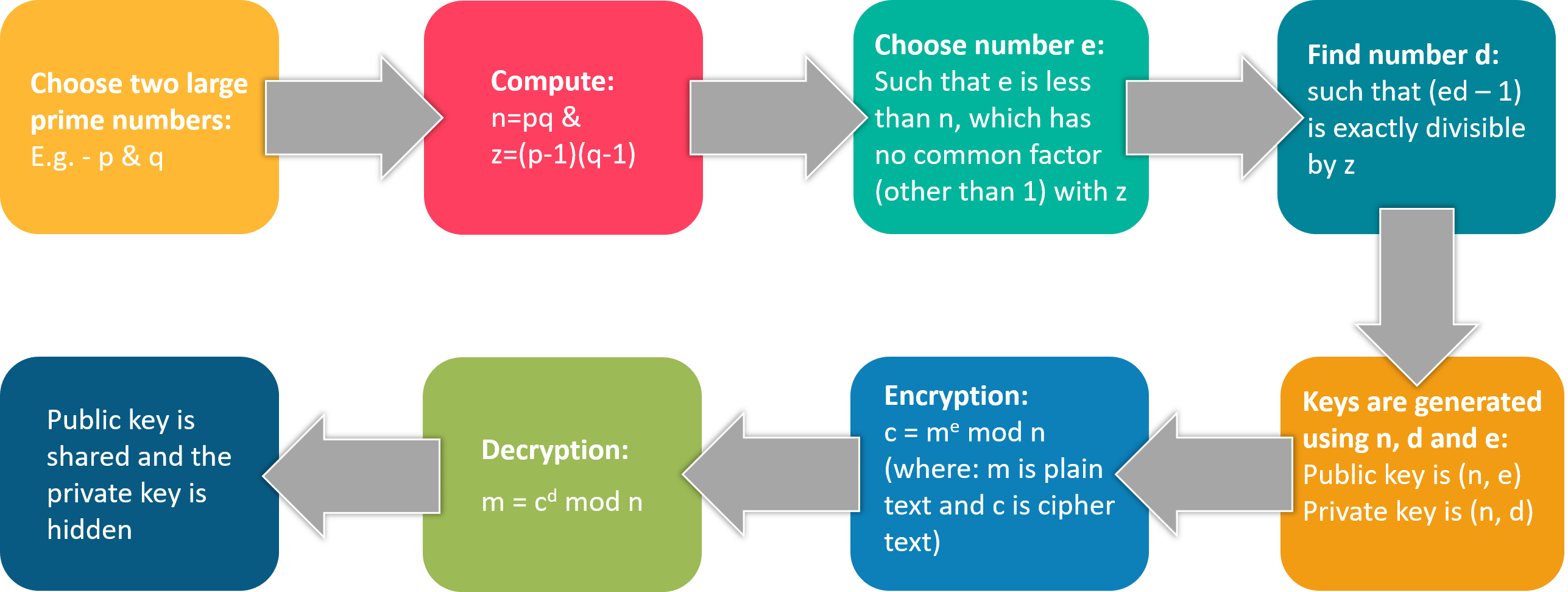
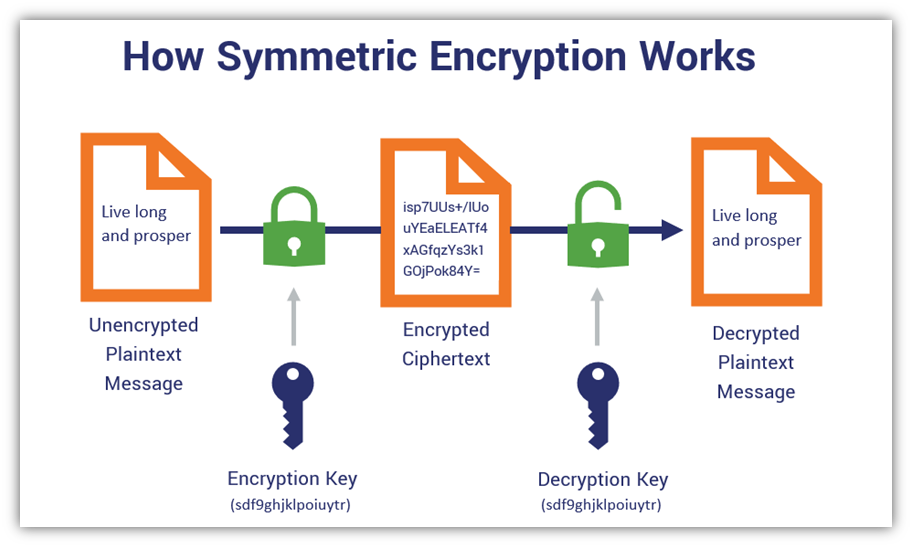
Cryptography algorithms can be categorized into two main types: symmetric and asymmetric algorithms. Each category has its own unique features and applications, which are essential for understanding their functionalities.

  • Symmetric Algorithms: In symmetric cryptography, the same key is used for both encryption and decryption. This method is generally faster and requires less computational power. However, it poses challenges in key distribution and management.
  • Asymmetric Algorithms: Asymmetric cryptography uses a pair of keys – a public key for encryption and a private key for decryption. This approach enhances security, particularly in key exchange processes, but is typically slower due to more complex mathematical operations.
Algorithm Type Performance Security Level
AES Symmetric Fast High
RSA Asymmetric Slow Very High
DES Symmetric Fast Moderate

Examples of Cryptography Algorithms

Several cryptographic algorithms are popularly used in various applications, each with distinct characteristics and use cases. Notable examples include:

  • AES (Advanced Encryption Standard): A widely used symmetric encryption algorithm that operates on fixed block sizes. It's commonly used in securing sensitive data.
  • RSA (Rivest-Shamir-Adleman): An asymmetric encryption algorithm that is extensively used for secure data transmission over the internet, especially in SSL/TLS protocols.
  • DES (Data Encryption Standard): An older symmetric key algorithm that has largely been replaced by AES due to its shorter key length, which makes it more vulnerable to attacks.

How Cryptography Algorithms Work

The effectiveness of cryptography algorithms is grounded in mathematical principles that govern their operations. Encryption and decryption processes vary between symmetric and asymmetric algorithms, but both aim to transform plaintext into ciphertext and vice versa.In symmetric encryption, the process involves applying a mathematical function to the plaintext using a secret key, producing ciphertext that can only be reverted to its original form with the same key.

In contrast, asymmetric encryption relies on a key pair, where the public key encrypts data, and only the corresponding private key can decrypt it.

The encryption process for AES involves multiple rounds of transformation on the data, using techniques like substitution, permutation, and mixing, making it highly secure.

Strengths and Weaknesses of Cryptography Algorithms

Each cryptographic algorithm has its strengths and weaknesses, which determine its suitability for different applications.

  • Strengths:
    • AES is known for its speed and high security, making it ideal for large data sets.
    • RSA provides robust security for key exchanges but can be slow due to its computational complexity.
    • DES, while faster, is considered less secure due to its shorter key length.
  • Weaknesses:
    • Symmetric algorithms face challenges in secure key management and distribution.
    • Asymmetric algorithms may suffer from slower performance, especially with large data volumes.
    • Older algorithms like DES are vulnerable to modern attack methods due to advances in computing power.
Algorithm Strengths Weaknesses
AES Speed, High Security Key Management Complexity
RSA Strong Security for Key Exchange Slower Performance
DES Fast Encryption Vulnerable due to Short Key Length

The Future of Cryptography Algorithms

What is Elliptic Curve Cryptography Encryption Algorithm

Emerging trends in cryptography are reshaping the landscape of secure communications. Quantum cryptography and homomorphic encryption are two notable advancements that promise to enhance security while addressing current limitations.Quantum cryptography leverages principles of quantum mechanics to create secure communication channels that are theoretically immune to eavesdropping. Meanwhile, homomorphic encryption allows computations to be performed on encrypted data without decrypting it, offering new capabilities for data privacy.However, these advancements come with challenges.

For instance, quantum computers could potentially break current cryptographic schemes, necessitating the development of more resilient algorithms. Additionally, integrating these new technologies with existing systems may require significant engineering efforts.

Practical Implementation of Cryptography Algorithms

Implementing cryptographic algorithms effectively in software development is crucial for maintaining security. Best practices include:

  • Employing well-established libraries and frameworks to avoid common pitfalls in cryptographic implementations.
  • Ensuring robust key management procedures, including secure storage and regular key rotations.
  • Conducting thorough testing to identify vulnerabilities and ensure the integrity of the encryption processes.

Popular libraries that assist in integrating cryptography into applications include OpenSSL, Bouncy Castle, and Crypto++ among others. These tools provide a range of functionalities, simplifying the implementation of secure communication protocols.

Closing Summary

Diving Deep into Cryptography: The Foundation of Blockchain Security ...

In summary, cryptography algorithms are vital for securing our digital lives, and as technology continues to evolve, so too will the methods we use to protect our information. By understanding the various types and their applications, we can better appreciate the importance of security in our interconnected world. Stay informed and prepared for the exciting developments on the horizon in cryptography.

Questions Often Asked

What is cryptography?

Cryptography is the practice of securing communication by transforming information into a format that is unreadable to unauthorized users.

What are symmetric and asymmetric algorithms?

Symmetric algorithms use the same key for encryption and decryption, while asymmetric algorithms use a pair of keys (public and private) for secure communication.

What is AES?

AES, or Advanced Encryption Standard, is a widely used symmetric encryption algorithm known for its speed and security.

Why is key management important?

Effective key management is crucial for maintaining the confidentiality and integrity of encrypted data, ensuring that keys are stored securely and used appropriately.

What is quantum cryptography?

Quantum cryptography is an emerging field that uses the principles of quantum mechanics to create secure communication channels that are theoretically immune to eavesdropping.

singapore-crypto-tax.png

Crypto Companies In Sg Revolutionizing Finance Today

Crypto companies in sg are rapidly reshaping the financial landscape, drawing attention from both local and international investors. Singapore's strategic location and supportive government policies have fostered a thriving ecosystem for digital assets, making it a key player in the global crypto market. With a growing number of firms innovating in blockchain technology and cryptocurrencies, the region is becoming a hotspot for cutting-edge financial solutions.

From regulatory frameworks that enhance security and trust to a flourishing community of start-ups and established players, the Singaporean crypto scene is diverse and dynamic. This overview will delve into the notable companies, the challenges they face, and what the future holds for crypto in this vibrant city-state.

Overview of Crypto Companies in SG

Over Half of Surveyed Singapore Users Own Cryptocurrency - Fintech ...

The cryptocurrency industry in Singapore has emerged as a pivotal player in the global digital finance landscape. Known for its robust regulatory framework and innovative financial ecosystem, Singapore has attracted numerous crypto companies, making it a hub for blockchain technology and digital currencies. As of 2023, there are over 100 licensed crypto entities operating in the region, showcasing the city's commitment to fostering a conducive environment for financial technology.Singapore's Monetary Authority (MAS) has played a crucial role in establishing a clear regulatory environment for crypto businesses.

By introducing the Payment Services Act (PSA), the MAS aims to create a safe and secure environment for users while promoting innovation. This regulatory clarity has significantly impacted the growth of crypto companies, enabling them to operate with confidence and stability.

Notable Crypto Companies in Singapore

Several major crypto companies have established a strong presence in Singapore, contributing to its status as a leading crypto hub. Notable firms include Binance, Huobi, and Crypto.com, each offering a diverse array of services that cater to various segments of the cryptocurrency market.

Company Key Features Services Offered
Binance Global Exchange, High Liquidity Spot Trading, Futures, Staking
Huobi Wide Range of Assets, User-Friendly Spot Trading, Margin Trading, Wallet Services
Crypto.com Crypto Debit Card, Cashback Programs Trading, Earning, Payment Solutions

The unique value propositions of these firms lie in their comprehensive offerings. For instance, Binance provides a high liquidity platform suitable for both novice and experienced traders, while Crypto.com stands out with its innovative payment solutions that integrate cryptocurrency into everyday transactions.

Regulatory Framework for Crypto Companies

The regulatory landscape for crypto companies in Singapore is characterized by transparency and rigor. Companies must comply with the Payment Services Act (PSA), which requires them to obtain licenses depending on their services, such as digital payment token services and e-wallet operations. This framework ensures that businesses adhere to anti-money laundering (AML) and combating the financing of terrorism (CFT) regulations.Various companies have successfully navigated the local laws by implementing robust compliance frameworks.

For example, Binance has established a compliance team dedicated to monitoring transactions and ensuring adherence to regulatory mandates. In comparison, jurisdictions like the United States have a more fragmented regulatory environment, which can pose additional challenges for crypto businesses.

Impact of Blockchain Technology

Blockchain technology serves as the backbone of operations for crypto companies, enabling secure and transparent transactions. In Singapore, several case studies illustrate successful blockchain implementations. For instance, the Singapore Exchange (SGX) has explored blockchain for improving trading efficiency and reducing settlement times.Future trends indicate an increased adoption of blockchain solutions across various sectors, including finance, supply chain, and healthcare. As more businesses recognize the benefits of blockchain technology, the crypto landscape in Singapore is expected to evolve, fostering innovations that enhance operational efficiency.

Investment Trends in Crypto Companies

The investment landscape for crypto companies in Singapore is vibrant, with significant venture capital inflow supporting local startups. In recent years, several funding rounds have been reported, with companies like Amber Group and Biconomy securing millions in investments to expand their services and reach.Key factors driving investments in crypto companies include:

  • Growing adoption of digital currencies
  • Technological advancements in blockchain
  • Increased demand for crypto-related financial services

This substantial investment interest reflects the confidence in Singapore's potential as a leading player in the global crypto ecosystem.

Challenges Faced by Crypto Companies

While the crypto landscape in Singapore is flourishing, companies face common challenges such as regulatory compliance, cybersecurity threats, and market volatility. For example, firms like TenX have navigated regulatory hurdles by actively engaging with authorities and ensuring their operational frameworks align with local laws.To overcome these difficulties, companies can employ strategies such as:

  • Building robust compliance teams to monitor regulatory changes
  • Investing in advanced cybersecurity measures
  • Diversifying product offerings to mitigate market risks

Such approaches enable firms to maintain resilience in a rapidly evolving environment.

Future Prospects for Crypto Companies in SG

Looking ahead, the crypto market in Singapore is expected to witness significant developments driven by innovation and regulatory advancements. Emerging trends such as decentralized finance (DeFi) and non-fungible tokens (NFTs) are likely to reshape the industry, presenting new opportunities for growth.New entrants in the crypto industry can benefit from a well-defined roadmap that includes:

  • Understanding local regulations and compliance requirements
  • Identifying niche markets for targeted offerings
  • Leveraging partnerships with established players for credibility

By strategically navigating these factors, new companies can position themselves for success in Singapore's vibrant crypto ecosystem.

Last Recap

Over Half of Surveyed Singapore Users Own Cryptocurrency - Fintech ...

In conclusion, the journey of crypto companies in sg highlights the region's unique blend of innovation and regulation, positioning it as a leader in the cryptocurrency space. As these companies navigate challenges and leverage opportunities, their growth will likely continue to accelerate, attracting further investment and interest. The future is bright for crypto in Singapore, and staying informed will be key for anyone looking to engage with this evolving market.

FAQ Insights

What are the major crypto companies in Singapore?

Some of the notable crypto companies in Singapore include Binance, Coinbase, and Huobi, known for their exchanges and blockchain services.

How is the regulatory environment for crypto companies in SG?

Singapore has a robust regulatory framework, with the Monetary Authority of Singapore (MAS) overseeing the licensing and compliance of crypto firms to ensure consumer protection and financial stability.

What challenges do crypto companies face in Singapore?

Common challenges include regulatory compliance, market volatility, and competition from both local and international firms.

How can one invest in crypto companies in Singapore?

Investing can be done via purchasing cryptocurrencies on exchanges, participating in Initial Coin Offerings (ICOs), or investing in crypto-related funds.

What trends are shaping the future of crypto in SG?

Key trends include the rise of decentralized finance (DeFi), increasing institutional adoption, and advancements in blockchain technology.